
What we have Done
Use case 2
Use case 3
IIOT AND Connected Devices
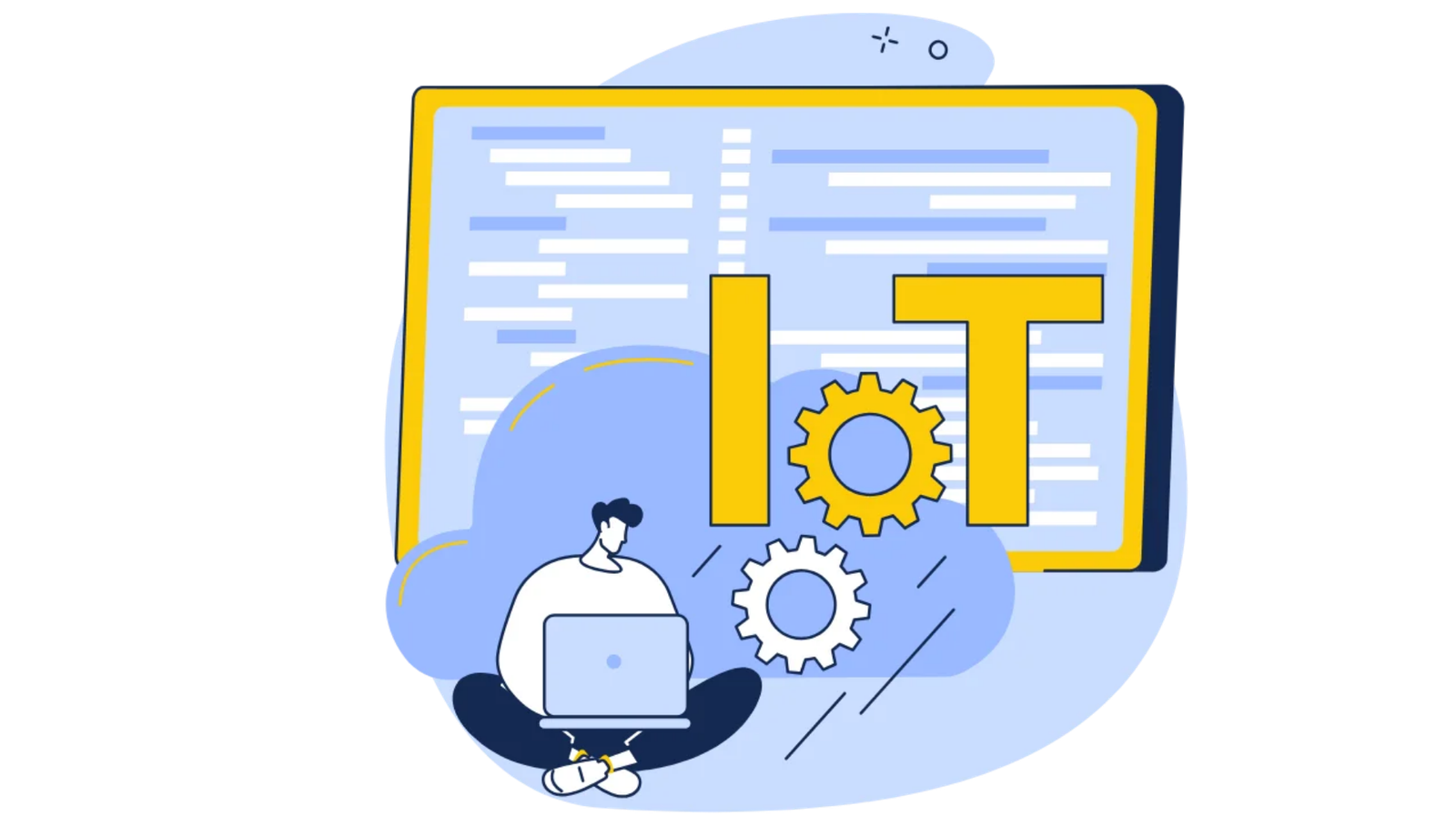
Industrial IoT (IIoT) refers to the application of IoT technology in industrial settings, especially with respect to instrumentation and control of sensors and devices that engage cloud technologies.
Recently, industries have used machine-to-machine communication (M2M) to achieve wireless automation and control. But with the emergence of cloud and allied technologies (such as analytics and machine learning), industries can achieve a new automation layer and with it create new revenue and business models. IIoT is sometimes called the fourth wave of the industrial revolution, or Industry 4.0.
The following are some common uses for IIoT:
- Smart manufacturing
- Connected assets and preventive and predictive
- maintenance
- Smart power grids
- Smart cities
- Connected logistics
- Smart digital supply chains
Billions of connected devices are deployed with no slowdown in sight. These devices are changing our lives, the world we live in and the way we do business, creating a foundation and enabler for improved customer experiences and optimized digital business processes.
Hobvision Technologies provides an automated solution that efficiently and securely onboards devices while protecting the network. No matter the industry, our solutions enable you to connect a growing number of objects in a smart, secure and optimized way to provide innovative services and automate business processes.
service related FAQ’s
IIoT refers to interconnected sensors, machines, and devices used in industrial environments to collect, analyze, and exchange data for improved operational efficiency and decision-making.
Common IIoT devices include sensors, smart meters, controllers, gateways, RFID systems, industrial cameras, and connected machinery.
IIoT enables predictive maintenance, reduces downtime, improves productivity, enhances asset visibility, and supports data-driven decision-making across industrial operations.
Connected devices use sensors and network connectivity to capture real-time data from machines and systems, which is then transmitted to centralized platforms for monitoring, analysis, and control.
Manufacturing, energy, automotive, logistics, healthcare, smart factories, and utilities widely use IIoT to optimize operations and improve efficiency.